
Collections
Masterpieces of Petit Palais
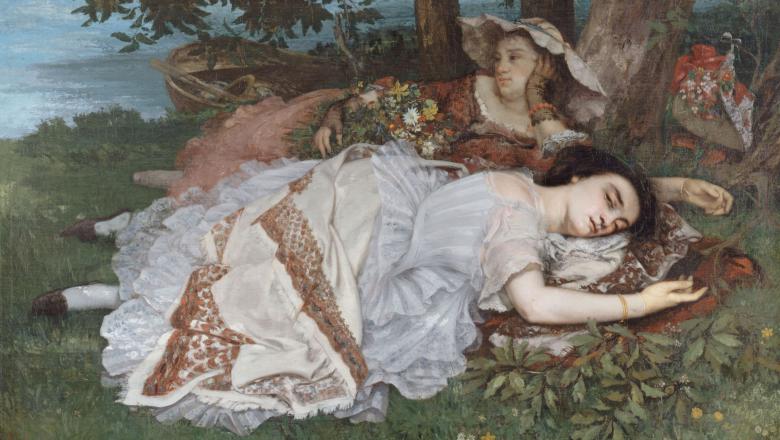 Discover
© Petit Palais / Roger-Viollet
Discover
© Petit Palais / Roger-Viollet
Discover the Petit Palais' masterpieces
This portfolio gathers a selection of aesthetic, technical or symbolic treasures of the Petit Palais' collections.
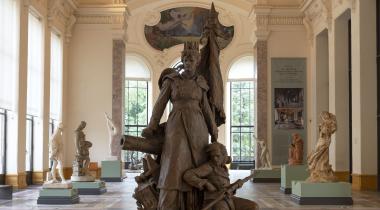
Cabinet des arts graphiques
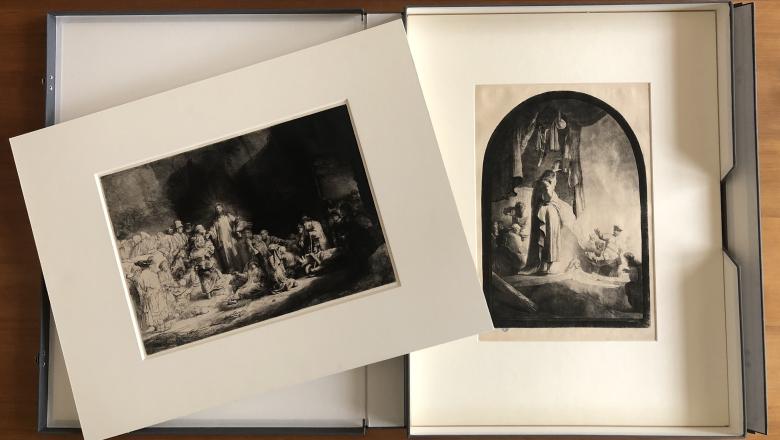
Le Cabinet des arts graphiques du Petit Palais possède une impressionnante collection de plus de trente-six mille feuilles conservées en réserve en raison de leur fragilité. Cet ensemble est accessible sur demande adressée à la conservation.
Accès par l'arrière du musée, 5 avenue Dutuit
75008 Paris
Tel : 01 53 43 40 00
Consultation sur rendez-vous du lundi au vendredi
de 9h30 à 12h30 et de 14h à 17h
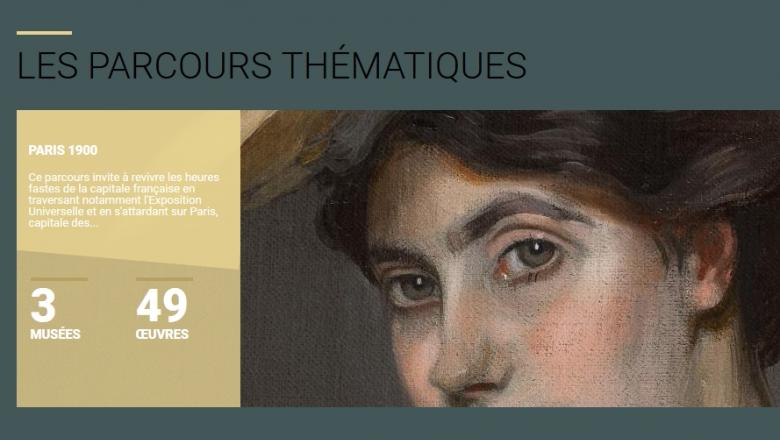 Discover
Thematic discovering of the collections
Explore the Petit Palais' and the City of Paris Museums' collections through thematic selections of works.
Discover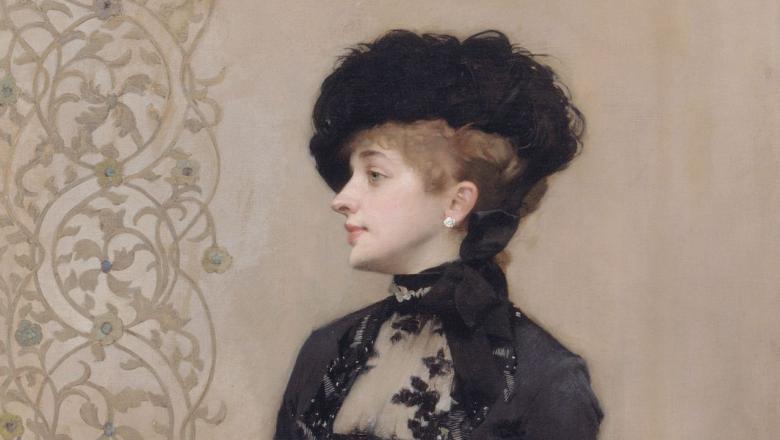
Resource center
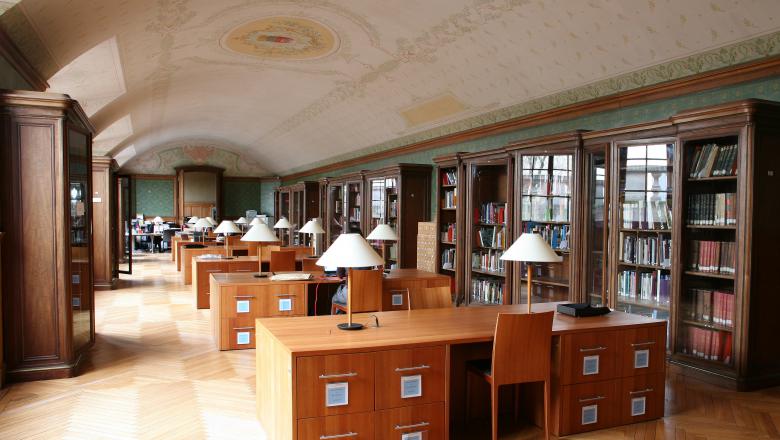
The museum Resource Center has a 14-seat reading room and researchers are welcome by appointment.
Entrance from the back of the building
5, avenue Dutuit
75008 Paris
Phone: +33 1 53 43 40 00
Monday to Friday
From 9:30 to 12:30 am and from 2:00 to 5:00 pm
An Idendity Card or a passport must be provided to the reception in exchange for a visitor badge