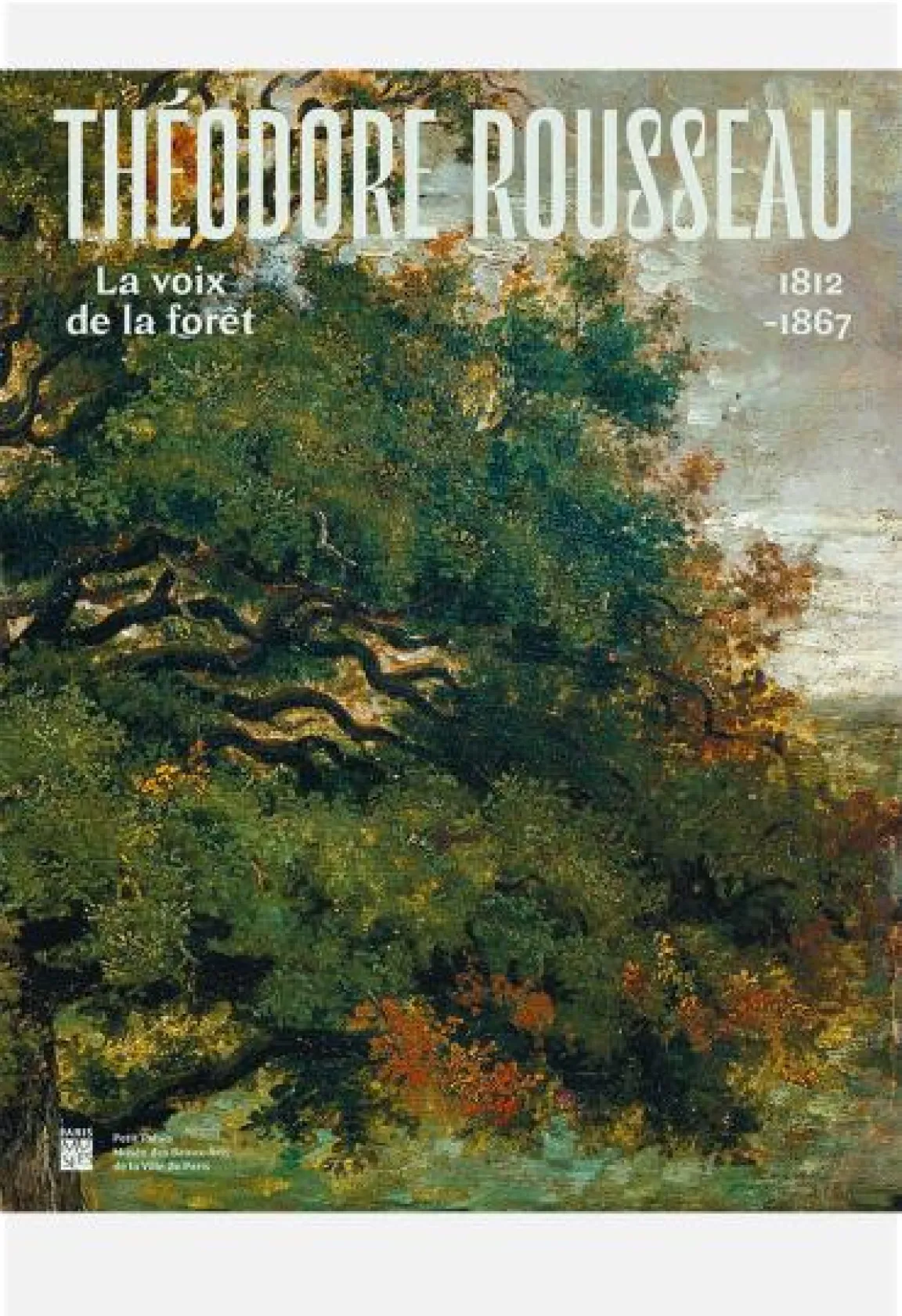
His love of nature soon turned into a battle, and for this reason, he can be considered a true proto-ecologist: along with other artists and writers, Rousseau took a new look at the forest of Fontainebleau, which led to the protection of part of it under the name of the famous "artistic reserves" (1853), a first in a world in the throes of industrialisation.

Both a romantic and a realist, Rousseau aspired to capture the harmony of the world, by mixing his soul with it. He blurred the boundaries between painting and drawing, between sketch and finished work. He experimented, adding matter and tirelessly retouching his canvases, going so far as to overload them to bring out the life of the forests. As Baudelaire wrote, he was a "naturalist constantly drawn towards the ideal", and played a fundamental role in establishing a new French school of landscape painting in the mid-nineteenth century, paving the way for Impressionism.
Curators:
Annick Lemoine, Chief Heritage Curator, Director of the Petit Palais, Head Curator ;
Servane Dargnies-de Vitry, Curator of Paintings at the Musée d’Orsay.
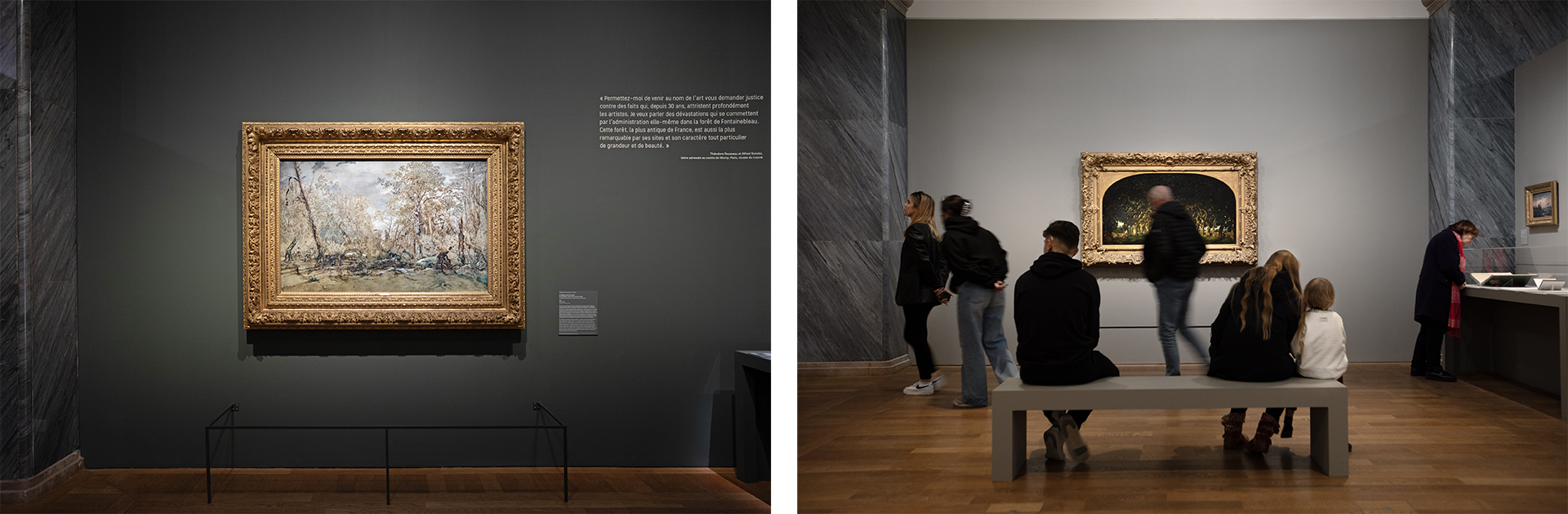
The exhibition is organised with the exceptional participation of


The exhibition was made possible thanks to
-
Groupe BPCE - Nouvelle fenêtre

In partnership with
-
sncf logo - Nouvelle fenêtre
-
FNAC - Nouvelle fenêtre
-
Beaux Arts - Nouvelle fenêtre
-
Logo-Libération.png - Nouvelle fenêtre
-
Télérama - Nouvelle fenêtre
-
logo france tv - Nouvelle fenêtre


-

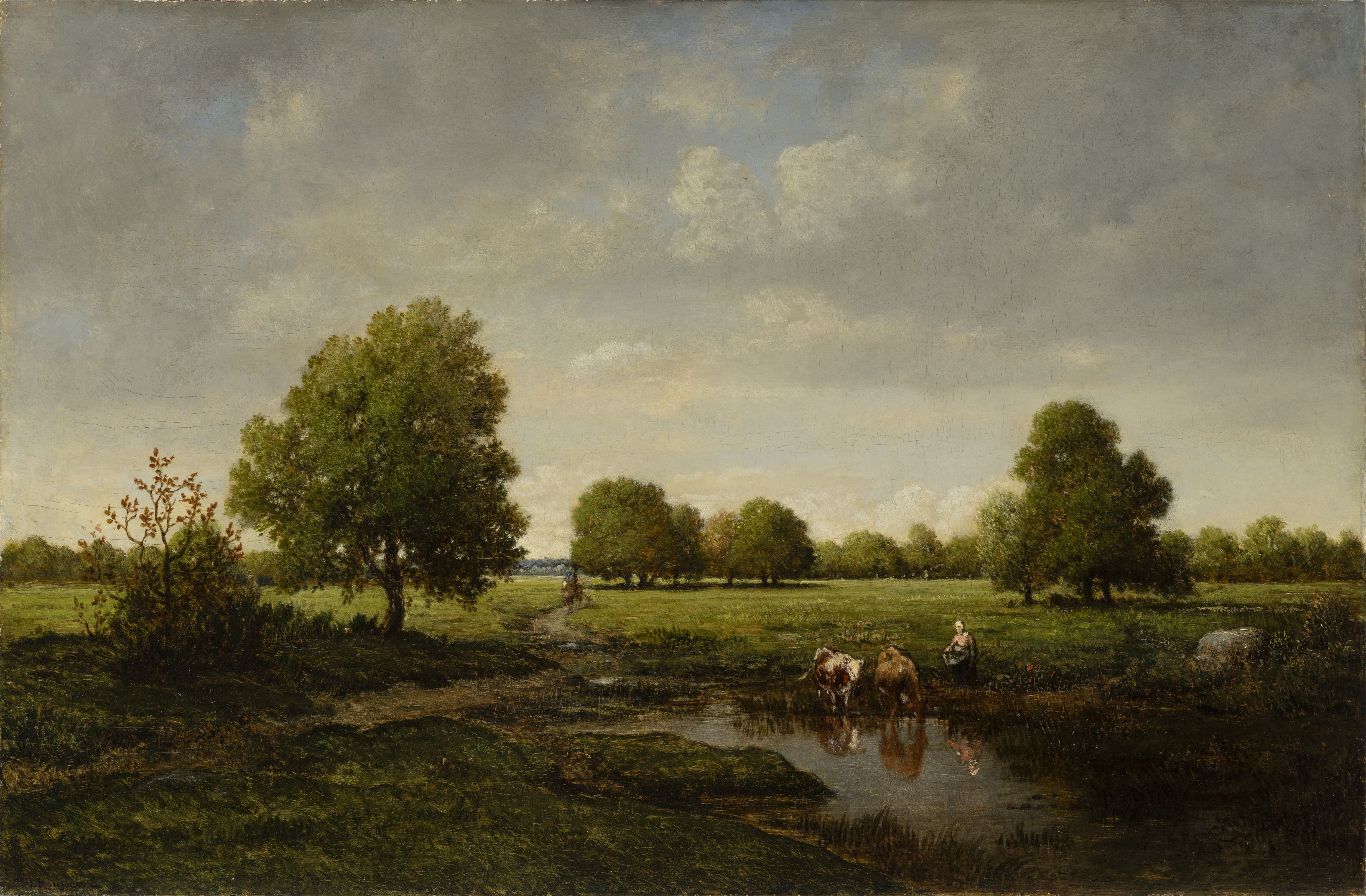
L’abreuvoir. Théodore Rousseau. Undated. Oil on wood, 41,7×63,6 cm. Legs Jean-Pierre Lundy, 1887. Musée des Beaux-arts de Reims.
Corentin Le Goff -

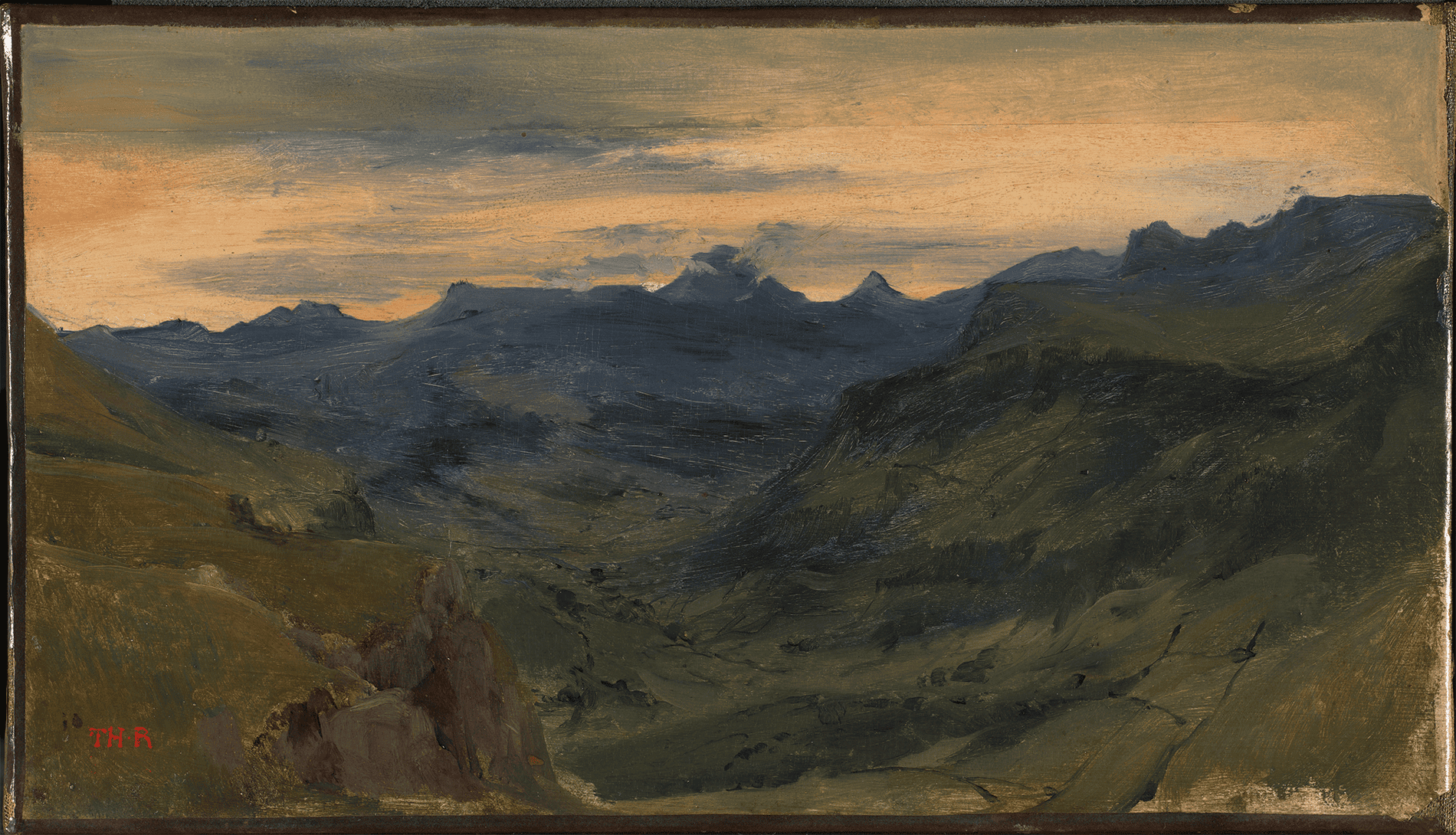
La Vallée de Saint-Vincent. Théodore Rousseau. 1830. Oil on paper laid down on canvas. 18,2×32,4 cm. The National Gallery, London.
The National Gallery, Londres, Royaume-Uni -

Sortie de forêt à Fontainebleau, soleil couchant. Théodore Rousseau. Circa 1850. Oil on canvas. 142×198 cm. Musée du Louvre, Paris, France.
RMN-Grand Palais (musée du Louvre) / Gérard Blot. -

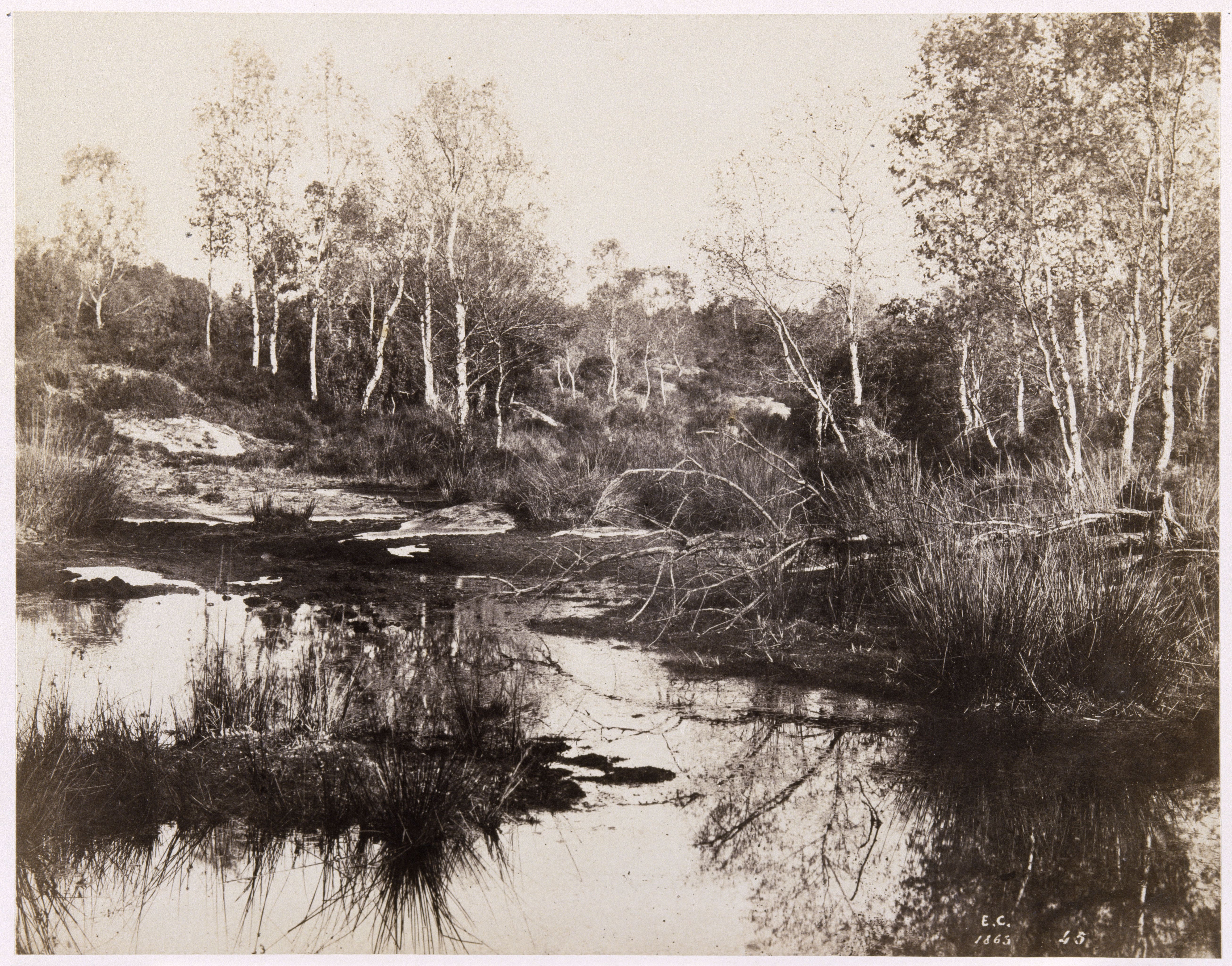
Étang de Franchard, forêt de Fontainebleau. Eugène Cuvelier. Circa 1863. Photograph (salted paper print from a paper negative, mounted on card). 20×25,8 cm. Musée d’Orsay, Paris, France.
RMN-Grand Palais (musée d’Orsay) / Hervé Lewandowski -

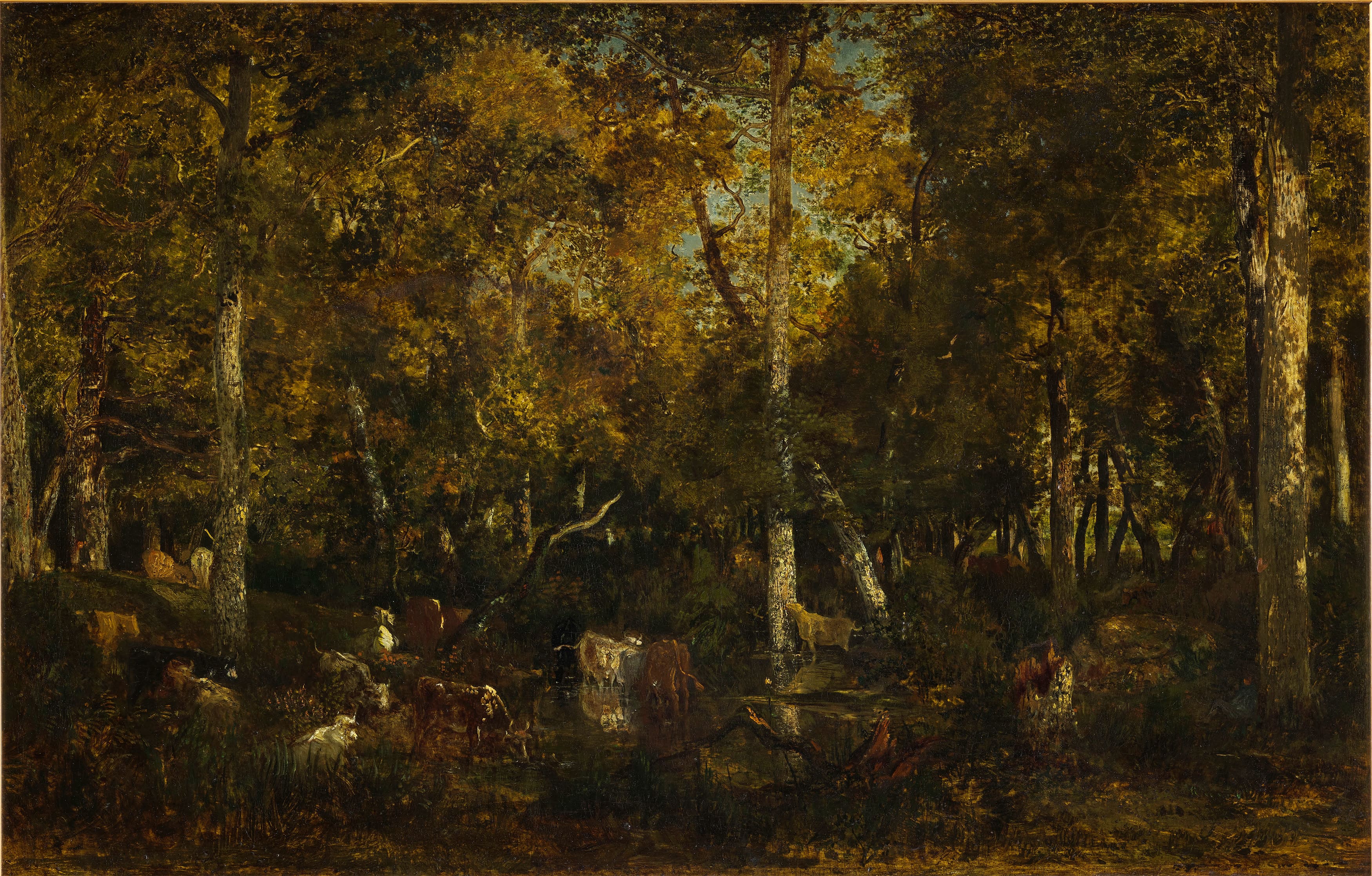
Intérieur de forêt. Théodore Rousseau. Other title : Le Vieux Dormoir du Bas-Bréau, forêt de Fontainebleau. Between 1836 and 1837. Oil on canvas. 65×103 cm. Musée d’Orsay, Paris.
RMN-Grand Palais (musée d’Orsay) / Sylvie Chan-Liat.

Publication
Une génération avant les peintres impressionnistes, Théodore Rousseau (Paris, 1812 - Barbizon, 1867) est le témoin sensible et engagé de la mutation du rapport de l’homme à la nature, dans un siècle marqué par les découvertes scientifiques, la révolution industrielle et l’exode rural. L’artiste trouve son inspiration en plein air et sillonne la Normandie, la Vendée, l’Auvergne, le Berry, les Alpes, les Landes, les Pyrénées et le Jura. Mais sa principale source d’inspiration est toute proche de Paris, dans la forêt de Fontainebleau. Celle-ci lui offre une grande variété de modèles – arbres, sousbois, rochers, clairières – qu’il observe, solitairement, durant de longues heures, exécutant des esquisses sur le motif avant de réaliser ses oeuvres définitives dans son atelier. Il cherche inlassablement à restituer sur sa toile l’harmonie qu’il éprouve dans la nature, tout à l’étude des arbres et des forêts, de l’air et de la lumière. Théodore Rousseau défie les hiérarchies jusque-là de mise dans le genre du paysage, brouillant les frontières entre peinture et dessin, entre esquisse et oeuvre achevée. Mû par son amour inconditionnel du vivant,
celui qui disait entendre la voix des arbres sera l’un des premiers à élever sa propre voix pour alerter sur la fragilité de cet environnement.
Auteur(s) : Sous la direction de Servane Dargnies-de Vitry
Exposition : Théodore Rousseau
Format : Broché
Nombre de page : 208
Nombre d'illustration : 139
Dimensions : 22 x 28 cm
ISBN : 978-2-7596-0574-3
Date de publication : mars 2024
Langue : Français
Editeur : Paris Musées
Prix public : 35€